
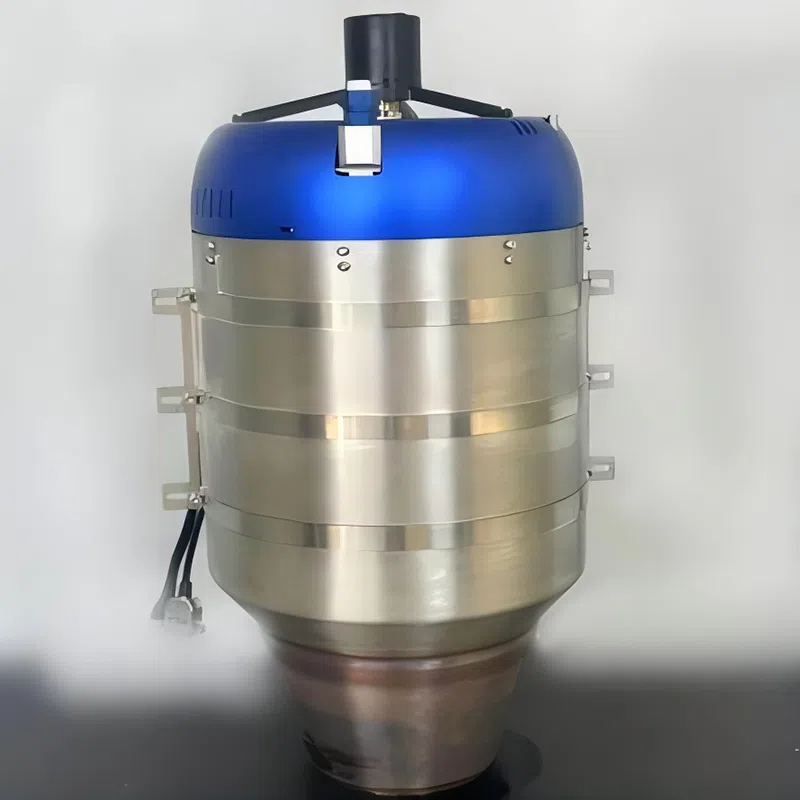
Detailed Product Description
Our Wankel rotary UAV gasoline engine fills the market demand for high‑density, low‑vibration drone propulsion hardware. Conventional piston‑type drone gasoline engines commonly produce noticeable reciprocating vibration which may degrade data quality from high‑end survey sensors; this UAV engine uses rotary‑rotor working principle to greatly suppress vibration disturbance for commercial UAV payload systems.
Core rotor and housing components of this UAV gasoline engine are manufactured with high‑strength aerospace‑grade alloy material. Every finished drone gasoline engine completes multi‑stage bench validation, including long‑duration full‑load aging testing, altitude‑simulation runtime inspection and throttle‑response calibration before factory shipment. Strict quality screening reduces unexpected shutdown risks during real‑world commercial UAV assignments.
The matched intelligent ECU unit of this UAV gasoline engine reads real‑time atmospheric pressure, temperature and throttle position signals. It dynamically adjusts fuel injection quantity to maintain ideal air‑fuel mixing ratio. The efficient forced‑air cooling structure keeps proper working temperature even under sustained maximum‑power operation of the drone gasoline engine. Standard mechanical mounting holes and signal interfaces support seamless integration with mainstream autopilot hardware.
This UAV gasoline engine applies to multiple civilian commercial fields: ultra‑long‑range aerial topographic mapping, cross‑regional power transmission corridor inspection, large‑scale wetland and ecological zone monitoring, long‑distance civilian logistics transport and other high‑value UAV operations. It can be matched to custom fixed‑wing platforms and advanced hybrid VTOL drones after simple mechanical adaptation work.
Different from hobby‑modified rotary power units, this drone gasoline engine is fully optimized for commercial‑grade unmanned aerial working scenarios. Special surface treatment is applied for rotor‑housing sealing components to extend service life under repeated continuous‑flight cycles. The reserved telemetry data port allows ground‑station systems to capture runtime status metrics of the UAV engine for predictive fleet maintenance management.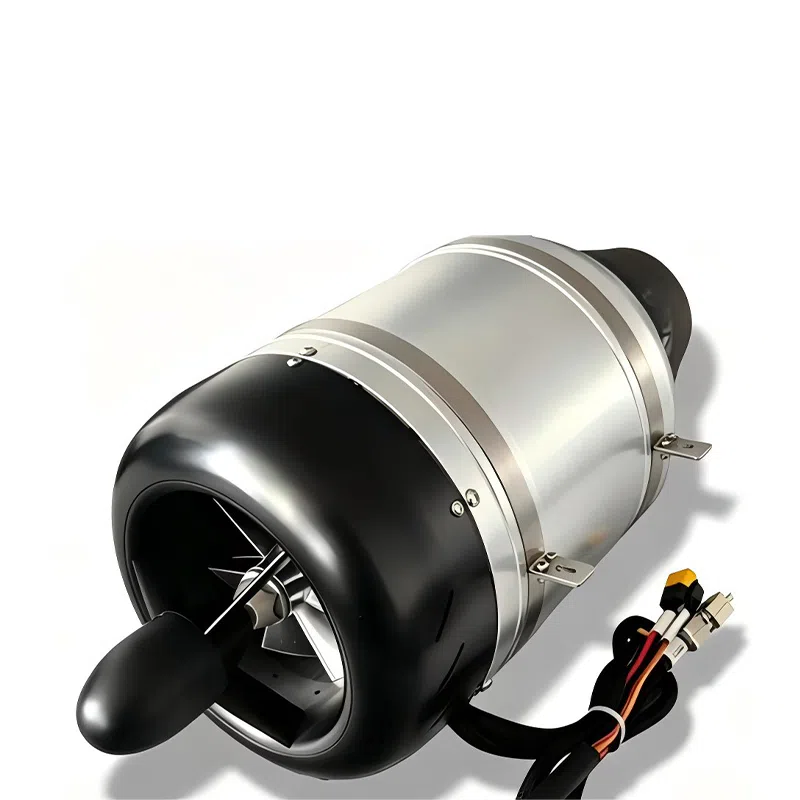
Full Technical Specification Sheet
| Parameter Item | Specification Value |
|---|---|
| Product Classification | Wankel Rotary Air‑Cooled EFI UAV Gasoline Engine |
| Nominal Displacement | 130 cc (rotor equivalent displacement) |
| Max Continuous Output Power | 13.5 HP |
| Functional RPM Operating Window | 2200‑7500 RPM |
| Recommended Fuel | Premium unleaded gasoline for rotary UAV power systems |
| Dry Main‑Engine Weight | 2.45 kg |
| Ignition & Fuel Supply | Electronic ignition + altitude‑adaptive electronic fuel injection |
| Suggested Propeller Specification | 24‑28 inch |
| Usable Operating Altitude | 0‑5200 m |
| Built‑In Generator Output | 24 V / 550 W |
Commercial Application Fields
Long‑range fixed‑wing UAV large‑area topographic survey & 3‑D mapping
Advanced hybrid VTOL drone high‑precision sensor‑carrying commercial missions
Cross‑regional power grid and pipeline long‑distance visual inspection
Wide‑range wetland, forest and ecological environment aerial monitoring
Remote‑area long‑endurance civilian cargo delivery by unmanned aircraft
Frequently Asked Questions (FAQ Section)
Q1: Does this rotary drone gasoline engine require special maintenance compared with piston‑type UAV engine?
A1: This UAV gasoline engine needs regular inspection of rotor‑housing sealing components according to official maintenance manuals. Compared with multi‑cylinder piston drone gasoline engine, it contains fewer moving reciprocating parts, so valve‑gap adjustment work is eliminated. Please adopt designated lubricant recommended for rotary‑type UAV engine to guarantee sealing performance and service lifespan.
Q2: Can this UAV gasoline engine realize data link connection with third‑party autopilot and ground‑station software?
A2: Yes. This drone gasoline engine outputs standard serial telemetry signals. Real‑time parameters such as engine RPM, housing temperature, fuel consumption and generator output voltage can be transmitted to third‑party autopilot and ground‑station systems. Users need to configure corresponding data parsing protocols during initial integration for the UAV gasoline engine.


