
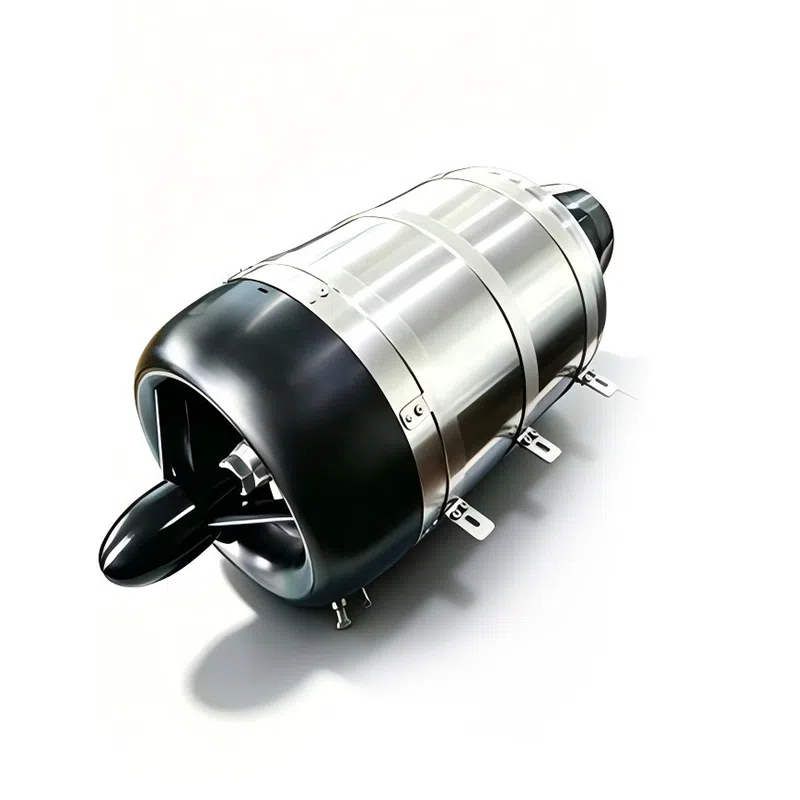
Detailed Product Description
Our turbo‑charged four‑stroke horizontally‑opposed UAV gasoline engine solves the core pain point: ordinary naturally‑aspirated drone gasoline engines suffer severe power attenuation when operating above 3000 m altitude. Many commercial UAV projects for mountainous and plateau regions cannot complete take‑off and cruise missions due to insufficient power from regular UAV engine units; this turbo‑boosted propulsion product fills this market gap for civilian high‑altitude unmanned aerial operations.
Key moving components of this UAV gasoline engine use forged alloy crankshaft and reinforced cylinder assemblies. Each finished drone gasoline engine completes strict bench tests including turbo boost calibration, high‑altitude environment simulation, long‑duration full‑load aging and redundant‑system failure simulation before factory delivery. Multi‑dimensional quality checks reduce field‑failure risks for commercial UAV fleets.
The intelligent ECU of this UAV gasoline engine dynamically adjusts fuel injection quantity, ignition timing and turbo waste‑gate opening according to real‑time atmospheric pressure, ambient temperature and throttle input. The system automatically controls boost pressure to avoid over‑boost damage for the drone gasoline engine. The mixed air‑liquid cooling setup stabilizes component temperature during continuous high‑power plateau flight cycles.
This UAV gasoline engine supports multiple civilian high‑altitude commercial use‑cases: plateau large‑scale topographic mapping, mountain‑region power‑transmission‑line patrol, alpine wetland ecological monitoring, high‑elevation reservoir inspection and remote mountain‑zone civilian material transport. It can be applied for large fixed‑wing UAV and heavy‑duty hybrid VTOL drone platforms after proper structural adaptation.
Different from modified aftermarket turbo kits for general‑purpose engines, this drone gasoline engine is fully original‑designed for UAV flight conditions. All turbo‑related pipelines, sealing parts and lubrication circuits are optimized for vibration and cyclic load from airborne operation. The reserved data telemetry port supports predictive maintenance workflows for fleet operators managing multiple UAV engine units.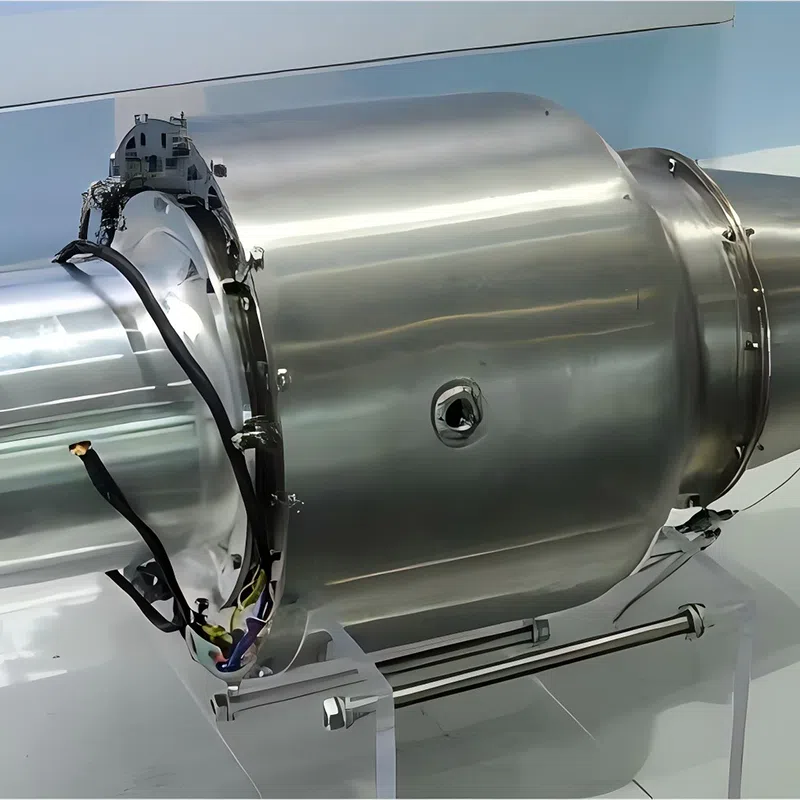
Full Technical Specification Sheet
| Parameter Item | Specification Value |
|---|---|
| Product Classification | Turbo‑Charged Four‑Stroke Horizontally‑Opposed UAV Gasoline Engine |
| Nominal Displacement | 320 cc |
| Max Continuous Output Power | 21 HP |
| Functional RPM Operating Window | 1500‑6700 RPM |
| Recommended Fuel | Premium unleaded 95+ octane gasoline |
| Dry Main‑Engine Weight | 7.3 kg |
| Ignition & Fuel Supply | Dual‑redundant EFI + turbo waste‑gate closed‑loop control |
| Suggested Propeller Specification | 32‑36 inch |
| Usable Operating Altitude | 0‑6000 m |
| Built‑In Generator Output | 28 V / 700 W |
Commercial Application Fields
High‑altitude fixed‑wing UAV plateau topographic survey and 3D mapping
Heavy‑duty hybrid VTOL drone mountain‑area payload‑carrying assignments
Long‑distance inspection for mountain‑zone power grid and communication infrastructure
Alpine wetland, plateau grassland and mountain forest ecological aerial monitoring
Remote high‑elevation civilian logistics and material delivery for inaccessible sites
Frequently Asked Questions (FAQ Section)
Q1: Does this turbo‑charged drone gasoline engine need special pre‑flight inspection compared with naturally‑aspirated UAV engine?
A1: Before each mission of this UAV gasoline engine, check turbo‑related pipeline fasteners for looseness, inspect lubricant supply status for the turbo bearing, and confirm no exhaust‑system leakage. Ground run‑up test should observe boost‑pressure reading. Do not launch flight if abnormal boost‑pressure fluctuation occurs on your drone gasoline engine.
Q2: Can I run this UAV gasoline engine at full boost power continuously for long‑time flight missions?
A2: Short‑term full‑boost output is allowed for take‑off and climbing phases. For cruising of this drone gasoline engine, it is recommended to operate within 70‑80 % of maximum boost level for extended service life. Sustained full‑boost running will accelerate wear of turbo‑assembly components for the UAV engine; follow the official power‑usage


