
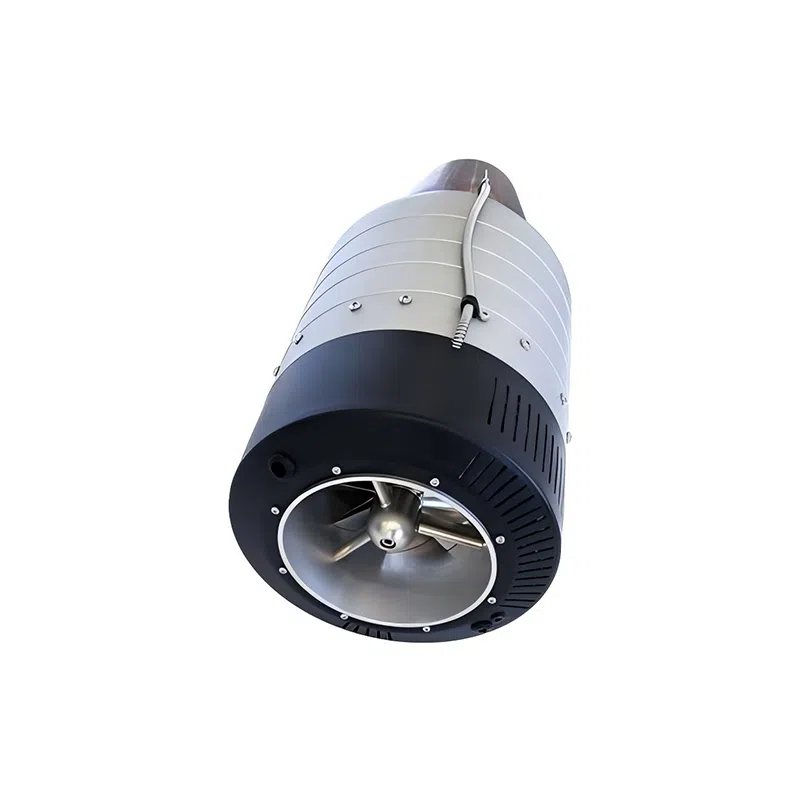
SW300‑Pro Mini Turbojet Engine Product Introduction


  1. Stable Long‑Duration Thrust Output

    Optimized internal rotor blade structure enables the SW300‑Pro turbojet to sustain steady 30‑kilogram thrust during long‑time civilian flight tasks. It delivers consistent power output for sightseeing drones, large‑size aeromodels and aerial‑survey flying gear without obvious power attenuation.

  2. Space‑Saving Lightweight Body

    The streamlined metal casing cuts down redundant weight. With 132‑millimeter outer diameter, 331.4‑millimeter overall length and 2560‑gram net weight, the unit leaves abundant installation room for camera equipment, fuel tanks and other onboard attachments on your civilian aircraft.

  3. Flexible Customizable Speed‑Control System

    The broad working speed range from 38000 rpm up to 98000 rpm supports multiple flight modes. You can tune startup speed, acceleration response and idle speed via the official electronic controller to satisfy slow‑speed cruising and fast‑speed travelling needs.

  4. All‑in‑One Accessory Kit for Plug‑and‑Play Installation

    Every complete package comes with fully‑tested matched components. The full accessories contain power supply cable, signal transmission wiring, digital operating display, Version‑4 ECU, precision oil filter and flow‑control ball valve. Every spare part undergoes compatibility testing to skip complicated part‑matching work.

  5. Low‑Cost Routine Maintenance Layout

    The 25‑hour service cycle reduces frequent disassembly work. The fuel mixing specification of 3%‑5% lubricant oil forms a protective oil film for high‑speed moving parts, slowing down bearing wear and lowering your long‑term operating expense.


SW300‑Pro belongs to the updated‑generation compact kerosene‑driven turbojet power plant made exclusively for civilian‑use flying devices. Compared with older‑type micro jet motors, this product upgrades the high‑temperature resistant turbine structure and optimizes the electronic fuel‑supply system.


Independent adjustable parameters cover startup sequence, acceleration sensitivity, temperature safety threshold and motor startup settings. The whole set works for commercial aerial photography, recreational aeromodel activities, scenic‑spot inspection drones and civilian aircraft research projects. No structure or function is designed for military‑related applications8.webp
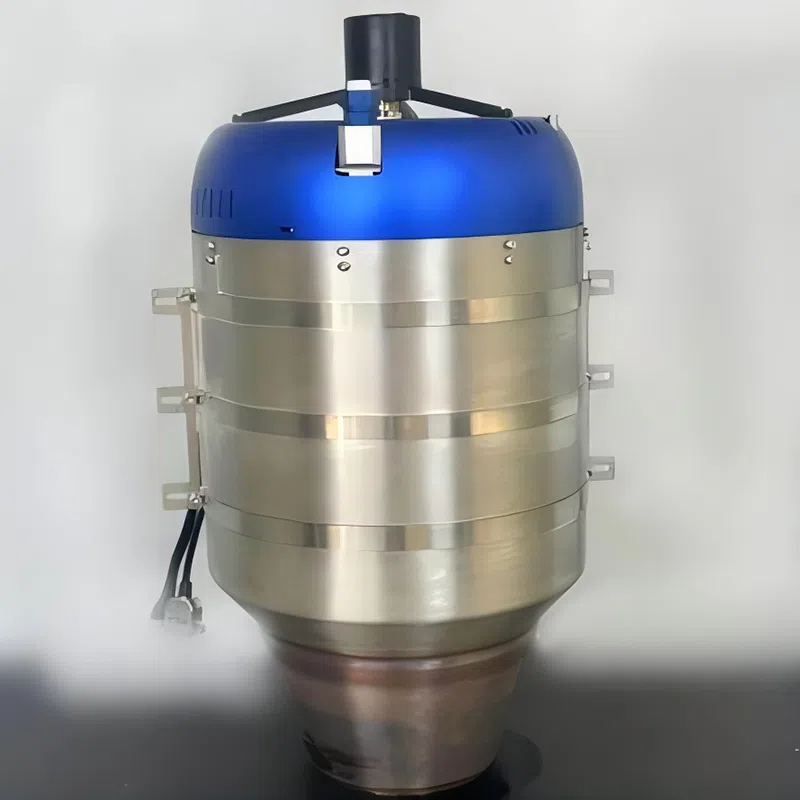
Specification ItemDetailed Parameter
Continuous Rated Thrust30 kg
Outer Shell Diameter132 mm
Whole‑Machine Length331.4 mm
Net Weight2560 g
Idle Operating Rotation Speed38000 rpm
Peak Working Rotation Speed98000 rpm
Standard Rated Exhaust Temperature750℃
Maximum Safe Operating Temperature≤ 1000℃
Permitted Peak Fuel Consumption≤820 g per minute
Compatible FuelAviation kerosene
Lubricant Mix‑in Percentage3%‑5%
Fixed Routine Maintenance Interval25 working hours
Minimum Rated Input Voltage≥10 V


Each turbojet host and its supporting accessories are separated and wrapped with shock‑absorbing foam padding. All sensitive electronic fittings such as the ECU mainboard, digital screen and signal wires are sealed inside anti‑static bags to avoid static‑electric damage during transit.


Thickened corrugated cartons serve as the outer shipping shell to withstand bumps in sea freight and land logistics. A detailed printed operation guide is placed in every parcel. The full accessory checklist includes the main jet engine, power cord, signal cable, operating display, V4 electronic control unit, oil filter and flow‑control ball valve. Bulk purchase customers are eligible for personalized packaging solutions.


Q1: What kinds of civilian flying equipment fit the SW300‑Pro turbojet engine

A1: This power unit suits large‑scale hobby aircraft models, sightseeing inspection unmanned aircraft, high‑speed aerial‑recording drones and civilian experimental flying equipment. It is developed for commercial aerial work and aircraft‑model entertainment only.

Q2: How to extend the service life of this micro turbojet engine

A2: Always prepare qualified aviation kerosene mixed with 3%‑5% lubricant oil. Examine pipeline tightness before every startup, keep operating temperature under the safe limit, and complete full routine maintenance once the engine hits 25 working hours.

Q3: Is it simple to adjust the flying speed and throttle response

A3: You are able to modify acceleration curves, idle speed and fuel‑pump sensitivity through the matched ECU and display panel. Carry out low‑speed debugging on the ground first before formal flight testing.

Online Consultation

Please fill out the form below and we will contact you as soon as possible