
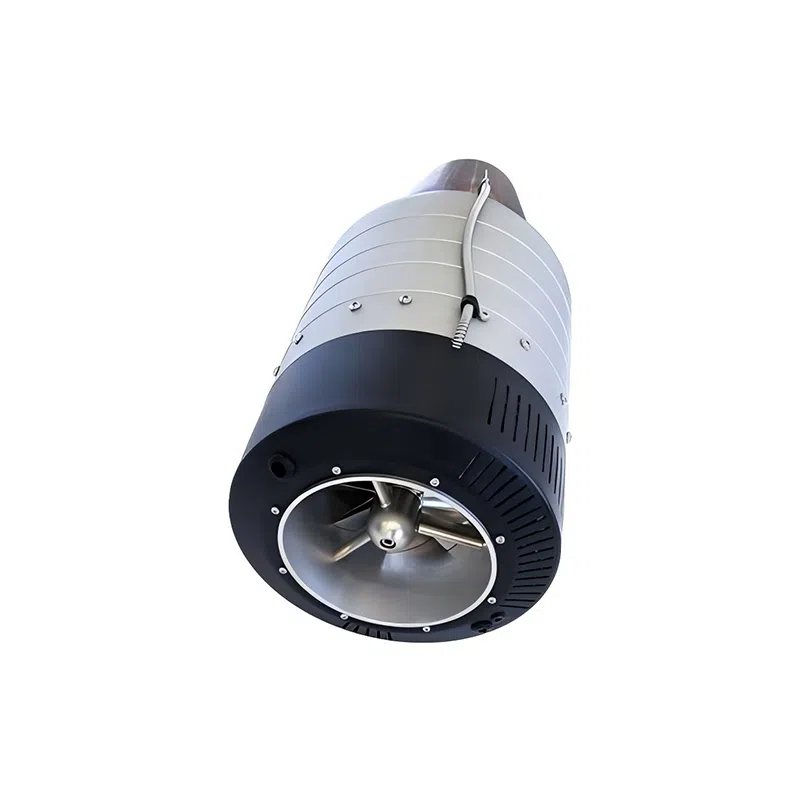
SW400Pro‑K High‑Performance Micro Turbojet Engine


  1. Reliable 40‑KG Stable Thrust Output

    The SW400Pro‑K kerosene‑fueled micro turbojet engine provides steady 40‑kilogram thrust. It works perfectly for medium‑large‑size civilian aeromodels, medium‑load inspection drones and experimental flying platforms, keeping stable power output during long‑time continuous flight operation.

  2. Optimized Compact‑Size Lightweight Body

    With 148 mm outer diameter, 341.1 mm overall length and a net weight of 3240g, the streamlined main‑body structure balances thrust performance and portable installation space. The sturdy metal casing suppresses high‑speed vibration and adapts to diverse complicated airflow environments.

  3. Broad Adjustable‑Speed Range and Flexible Throttle Control

    Its working rotational‑speed range covers 35000 rpm to 97000 rpm, and the idle speed is set to 35000 rpm. Customizable acceleration and deceleration curves allow users to adjust power response, satisfying power demands for take‑off, cruising and high‑speed flight of multiple civilian aircraft equipment.

  4. Quick‑Response Mature Electric‑Starting System

    The whole startup process can be finished within 30 seconds. Multiple adjustable startup‑related parameters including oil‑pump voltage, pre‑heating speed and clutch separation speed support flexible debugging. The high‑quality starter‑motor unit guarantees fast, smooth ignition.

  5. Simple‑Maintenance‑Oriented Structural Design

    This turbojet adopts aviation kerosene as its fuel source. Mix 3%‑5% proportion of lubricating oil into fuel to form a protective oil film for internal rotating parts. The fixed 25‑hour maintenance cycle lowers routine maintenance workload and long‑term running costs.

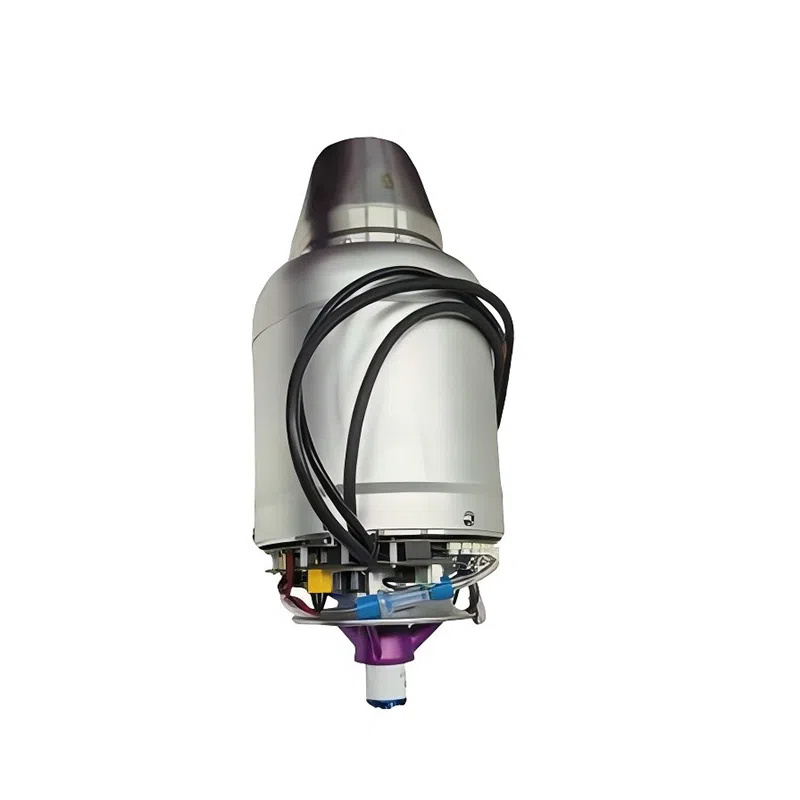
SW400Pro‑K is a medium‑thrust miniature turbojet engine specially designed for non‑military civilian flying equipment. It adopts an integrated compact layout, upgraded fuel‑supply assembly and optimized rotor structure, delivering outstanding high‑speed running stability and fast throttle response.

Every ignition setting, throttle curve and fuel‑pump limit voltage can be manually fine‑tuned. This power plant is suitable for large‑scale hobby aeromodels, medium‑payload aerial‑survey unmanned aircraft, long‑distance civilian patrol drones and small‑sized flight‑test devices. All design targets are civilian aeromodel hobbies and commercial aerial‑operation missions.12.webp
Specification ItemDetailed Parameter
Continuous Rated Thrust40 kg
Outer Shell Diameter148 mm
Whole‑Machine Length341.1 mm
Net Weight3240 g
Idle Operating Rotation Speed35000 rpm
Peak Working Rotation Speed97000 rpm
Standard Rated Exhaust Temperature750℃
Maximum Safe Operating Temperature≤ 1000℃
Permitted Peak Fuel Consumption≤1000 g per minute
Compatible FuelAviation kerosene
Lubricant Mix‑in Percentage3%‑5%
Fixed Routine Maintenance Interval25 working hours
Maximum Allowable Startup Duration≤30 s
Minimum Rated Input Voltage≥10 V


The turbojet main unit and matched electric‑control accessories are wrapped separately with thick shock‑absorbing foam. Precision electronic parts are sealed inside anti‑static bags to avoid static damage during long‑distance land and sea transportation.


Heavy‑duty thickened corrugated cartons serve as the outer‑layer package for anti‑collision performance. One complete printed operation manual comes with every shipment. Custom‑made packaging solutions are available for bulk‑order purchasers.


Q1: What kinds of civilian flying equipment fit the SW400Pro‑K turbojet engine

A1: This 40‑kg‑thrust power system is ideal for medium‑large‑sized recreational aeromodels, medium‑load aerial‑mapping drones, long‑range civilian patrol unmanned aircraft and small‑scale experimental flight gear. It is developed for civilian‑use hobbies and commercial aerial‑related operations.

Q2: How to prolong the service life of this kerosene turbojet

A2: Use qualified aviation kerosene blended with 3%‑5% lubricating oil. Inspect fuel pipeline sealing conditions before every startup, keep exhaust temperature under the safe upper‑limit, and execute routine maintenance once the engine accumulates 25 working hours.

Q3: Can I adjust the ignition parameters and throttle‑response sensitivity

A3: You are allowed to customize oil‑pump voltage, pre‑heating rotational speed, acceleration curve and other operating parameters. Always complete ground low‑speed debugging before formal flight testing.

Online Consultation

Please fill out the form below and we will contact you as soon as possible