

Introduction
In global commercial UAV operations, regional fuel differences and variable operating environments often lead to unstable drone engine performance, increased fuel costs, and shortened continuous flight time. For industrial drone operators and UAV manufacturers worldwide, fuel compatibility and energy efficiency have become core indicators for selecting high-quality commercial UAV engines, far exceeding basic power output requirements.
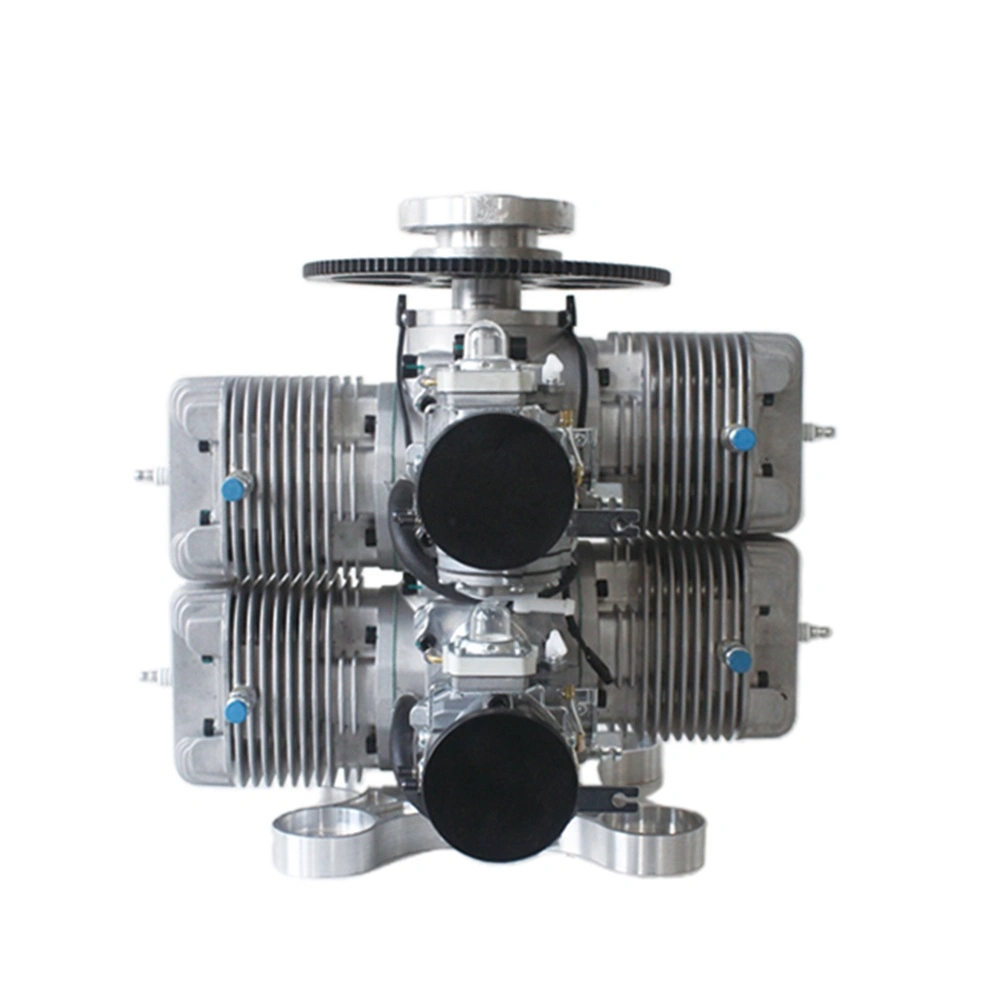
Shandong Zhongtian Power Technology Co., Ltd., a professional manufacturer of commercial-grade drone power systems, has recently completed a full round of upgraded fuel adaptability and energy efficiency verification tests for its mainstream civilian UAV engine models. Centering on real global commercial application scenarios, the test focuses on fuel compatibility optimization, full-load fuel consumption control, and low-energy stable operation, solving common operational pain points for overseas commercial drone users and achieving comprehensive improvement in the comprehensive energy efficiency of mass-produced UAV engines.
Core Test Background: Solve Global Commercial UAV Operational Pain Points
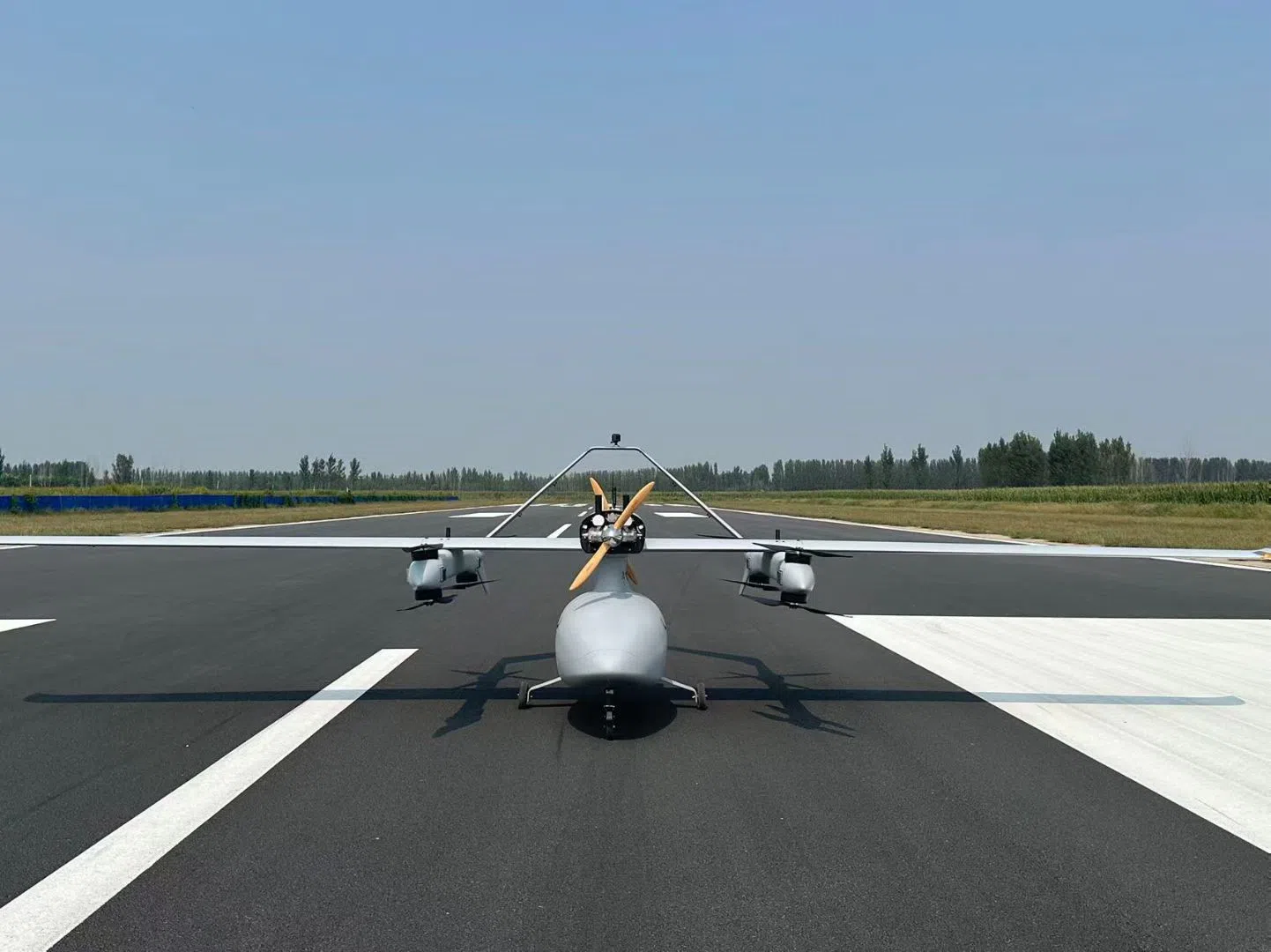
Different regions around the world have diverse fuel standards, octane ratings and fuel purification levels. Ordinary drone engines are prone to incomplete combustion, power attenuation, carbon deposition and frequent jitter when adapting to non-standard fuel, which seriously affects the operational stability of agricultural spraying, aerial mapping, power inspection and light logistics delivery drones. In addition, long-hour full-load operation in high-temperature and high-altitude environments will further increase fuel consumption and reduce the economic benefits of commercial UAV fleets.
To adapt to diversified overseas application conditions, the company’s R&D and testing team abandoned single-standard laboratory testing. Instead, it simulated multiple regional fuel environments and extreme working conditions to conduct targeted iterative tests for UAV engines, focusing on optimizing fuel combustion efficiency and environmental adaptability, ensuring that each mass-produced drone engine can maintain consistent and efficient operation in different global markets.
Key Test Items & Verified Core Data
1. Multi-Grade Fuel Adaptability Test
The test team selected multiple common commercial fuel specifications widely used in global civilian markets to conduct continuous ignition and full-cycle operation tests for UAV engines. Through iterative adjustment of fuel injection parameters, air-fuel ratio matching and ignition timing calibration, the drone engine achieves stable combustion adaptation to multi-standard fuel.
Test data shows that the optimized UAV engine has no obvious power drop or combustion jitter when using different qualified civilian fuels. The carbon deposition rate of internal components is reduced significantly compared with traditional models, which effectively extends the daily continuous operation time of commercial drones and reduces engine maintenance frequency caused by fuel mismatching.
2. Full-Condition Energy Efficiency Optimization Test
Focusing on the full-throttle range and full-load operating state of commercial UAVs, the team completed precise energy efficiency benchmark tests. The test covers low-speed hovering, medium-speed cruising and full-load climbing scenarios that are most frequently used in commercial operations, recording real-time fuel consumption, power output and energy conversion efficiency data of drone engines under different working conditions.
After structural optimization and parameter calibration, the latest batch of UAV engines achieves lower specific fuel consumption under the same load. In long-distance cruise and large-area agricultural operation scenarios, the optimized energy efficiency directly increases the single-flight endurance of commercial drones, greatly improving the operational efficiency and economic benefits of end users.
3. High-Temperature & High-Altitude Efficiency Stability Test
Aiming at the high-temperature tropical regions and high-altitude mountainous areas where global commercial UAVs are widely used, the team built a simulated environment laboratory to conduct extreme condition efficiency tests. The test verifies the power retention rate and fuel consumption stability of drone engines in low air density and high-temperature heat dissipation environments.
The final test results prove that the optimized drone engine can maintain efficient fuel combustion and stable power output in extreme environments, avoiding the common problems of insufficient power and surging fuel consumption of ordinary engines in high-altitude and high-temperature scenarios, and fully meeting the all-weather operational needs of commercial UAVs for infrastructure inspection and mountain mapping.
Industrial Value of Optimized UAV Engine Testing System
Different from single performance verification, Zhongtian Power’s fuel efficiency and adaptability test system forms a closed-loop optimization mechanism from test data to production standards. All test data is archived in real time, feeding back to component processing, assembly debugging and factory calibration links, realizing unified high-standard performance of each batch of mass-produced drone engines.
For global UAV integrators and fleet operators, this optimized testing system means more stable product quality, lower operating and maintenance costs, and stronger scenario adaptability. Whether it is daily light-load cruising or long-hour full-load commercial operations, the customized calibrated UAV engines can maintain the best energy efficiency state, helping users reduce operational costs and improve market competitiveness.
FAQ
Q1: Does your UAV engine need special customized fuel for daily commercial use?
A: No special fuel is required. Our drone engines have passed multi-grade fuel adaptability tests and can adapt to most standard civilian commercial fuels in global markets. It supports convenient local fuel procurement for overseas users without increasing additional operating costs.
Q2: How does the optimized fuel efficiency improve actual UAV operation benefits?
A: The optimized UAV engine reduces invalid fuel consumption and carbon deposition, extending single-flight endurance and reducing daily maintenance times. It effectively cuts fuel costs and labor maintenance costs for commercial drone fleets, bringing more stable and long-term economic benefits for industrial operations.
Conclusion
With the continuous expansion of the global commercial UAV market, energy efficiency and environmental adaptability have become the core competitive advantages of high-quality drone engines. Shandong Zhongtian Power Technology Co., Ltd. continues to iterate testing standards and product performance based on real global commercial application scenarios.
All factory-produced UAV engines complete strict fuel adaptability and energy efficiency tests before delivery, providing efficient, stable and low-consumption professional power solutions for global commercial UAV manufacturers and operators. The company welcomes global customers to consult product test reports, conduct sample tests and negotiate long-term cooperative orders.


