Subheading: Shandong Zhongtian Power adopts layered testing workflows to narrow performance deviation across mass-produced UAV power units
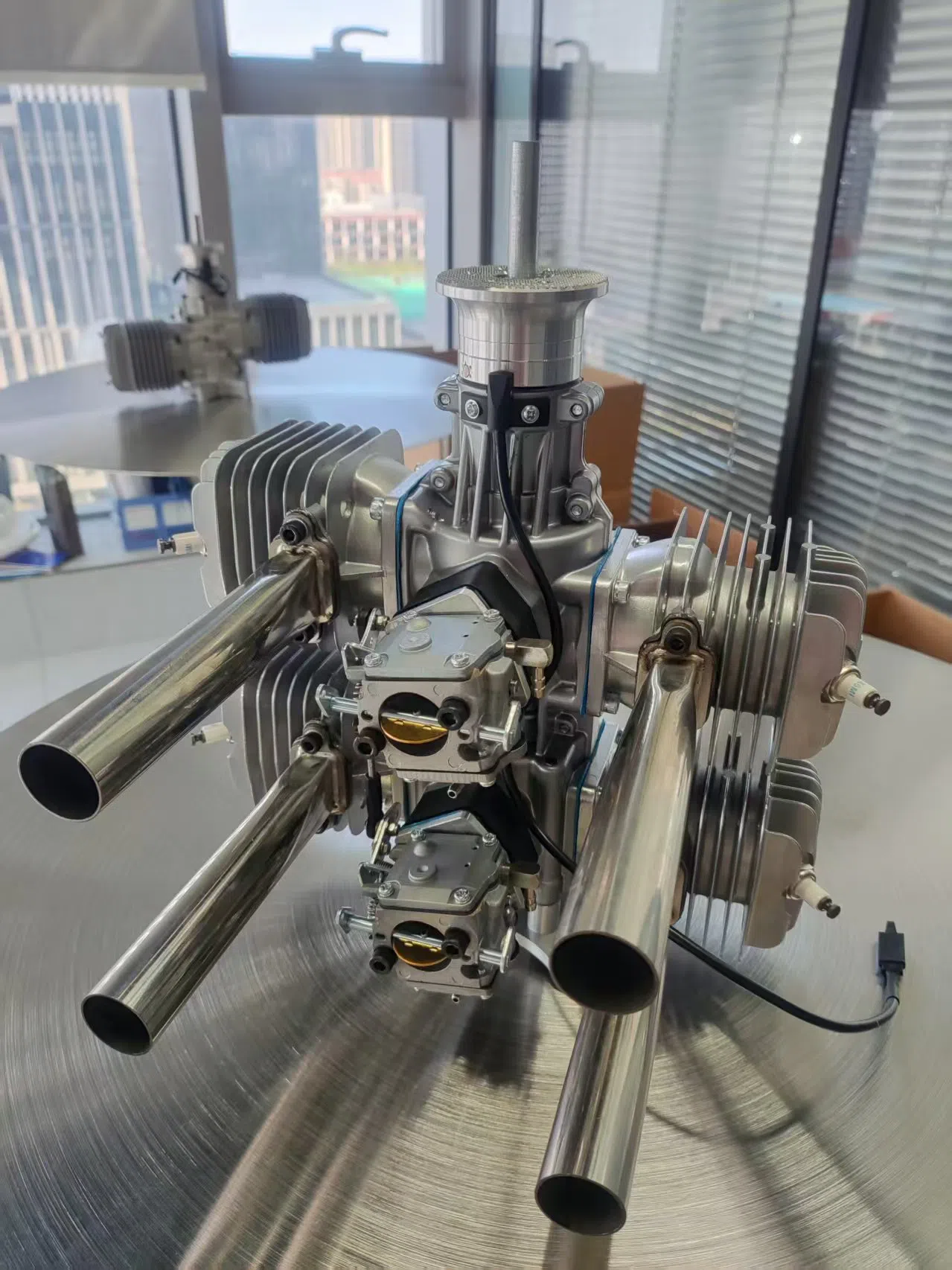
Jinan, China – September 3, 2026. As global demand for reliable industrial UAV power systems keeps rising, many drone manufacturers struggle with inconsistent engine performance between different production batches. Shandong Zhongtian Power Technology Co., Ltd., a specialized commercial drone engine manufacturer, has rolled out an upgraded multi-stage testing and calibration workflow. This refined testing system targets batch deviation, fatigue failure and parameter inconsistency, delivering repeatable power output for commercial UAV platforms used in aerial survey, crop spraying, pipeline inspection and light freight delivery.
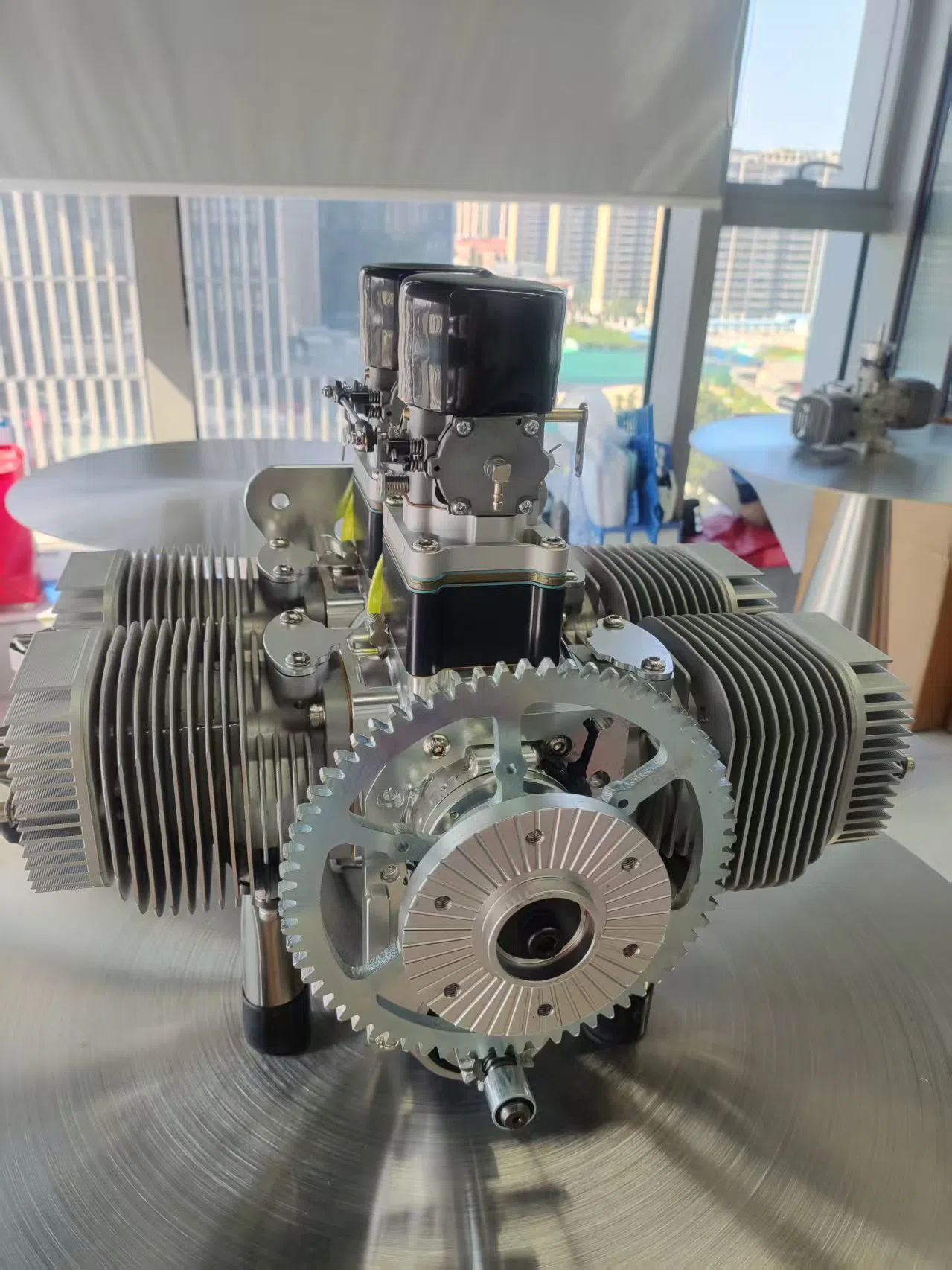
For UAV integrators and fleet operators, minor differences between individual drone engines can create big headaches. Slight power inconsistency may force frequent flight parameter recalibration. Unexpected fatigue wear can shorten service cycles and raise operational costs. To solve these practical pain points, the factory built a closed-loop testing system, where test data feeds back into component processing and assembly standards. Every finished drone engine must pass three core testing phases before leaving the workshop: component pre-test, bench calibration and accelerated fatigue testing.
Component Pre-Test: Locking Basic Parameters Before Assembly
The first testing phase happens before full engine assembly. Each key component including crankshaft, cylinder assembly, ignition module and fuel delivery unit undergoes separate inspection. Technicians record dimensional tolerance, material hardness and dynamic balance data for every part.
Many engine quality problems stem from unqualified individual components. By testing parts one by one, the factory filters out components with hidden defects early. This step reduces assembly rework and lays a solid foundation for stable drone engine performance. All inspection data is archived for traceability, so clients can trace component sources and test records when needed.
Bench Calibration: Fine-Tune Power Curves & Operating Parameters
After assembly, every drone engine enters automatic bench calibration. Unlike general power testing, this stage focuses on parameter matching. Engineers adjust throttle response, air-fuel ratio and ignition timing to achieve the target power curve.
Sensors continuously capture real-time data including rotating speed, torque, exhaust temperature and fuel consumption across low, medium and high load ranges. The calibration standard sets strict limits for performance deviation. Any drone engine whose power output falls outside the preset range will go back for re-adjustment instead of moving forward to the next test.
The calibration process also includes idle stability assessment. Steady idle performance helps UAVs hold stable altitude during hovering tasks such as aerial photography and crop spraying. Data collected in this phase forms the official parameter sheet supplied to buyers.
Accelerated Fatigue Testing: Simulate Long-Term Commercial Operation
Sample units from each production batch enter accelerated fatigue testing, designed to replicate months of continuous commercial flight within a compressed test period. The drone engine runs through cyclic load changes to mimic repeated takeoff, climb, cruise and descent cycles of real UAV missions.
Engineers monitor temperature fluctuation, vibration changes and component degradation throughout the fatigue cycle. Once the test finishes, the unit is fully disassembled for inspection. Wear marks on moving parts are measured and analyzed. If abnormal wear appears, the R&D team adjusts material formulas or assembly clearances.
This batch sampling mechanism helps predict the service life of drone engines under real commercial use, so overseas buyers can make accurate maintenance plans for their UAV fleets.
Custom Calibration Service for Global UAV Integrators
Shandong Zhongtian Power provides customized calibration for clients with special UAV design requirements. Depending on frame weight, payload size and operating altitude, the technical team can recalibrate the drone engine power curve to match specific mission profiles.
Customers may order pre-calibrated sample units first. Once sample performance meets requirements, mass production follows the same calibration standard. The factory also supplies technical documents, operation guides and remote technical support to help overseas partners install, tune and maintain the drone engine.
FAQ
Q1: What causes performance differences between drone engines in one batch? A: Minor variations in component tolerance and assembly clearance are the main factors. Our component pre-test plus bench calibration greatly narrow such deviation. Accelerated fatigue sampling verifies long-term consistency of each batch.
Q2: Can you recalibrate a drone engine to fit custom UAV payload and altitude conditions? A: Yes. Our technical team can adjust power curve, air-fuel ratio and throttle response according to your target payload and working altitude. We will provide updated test data after custom calibration.
About Shandong Zhongtian Power Technology Co., Ltd.
Shandong Zhongtian Power Technology Co., Ltd. is a professional factory dedicated to R&D and manufacturing of commercial drone engines. With a complete testing and calibration system, the brand focuses on improving batch consistency and long-term durability for global industrial UAV customers. Its propulsion systems support agricultural UAV, aerial mapping, infrastructure inspection and light cargo delivery. The factory continuously optimizes manufacturing standards using test data and welcomes inquiries from international UAV integrators and fleet operators.


