
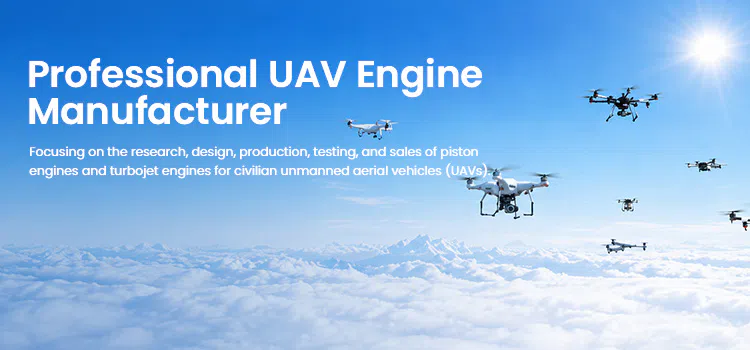
Commercial UAV Propulsion Update: Piston, Turbojet and Turbofan Engine Innovation Reshapes Global Industrial Drone Market
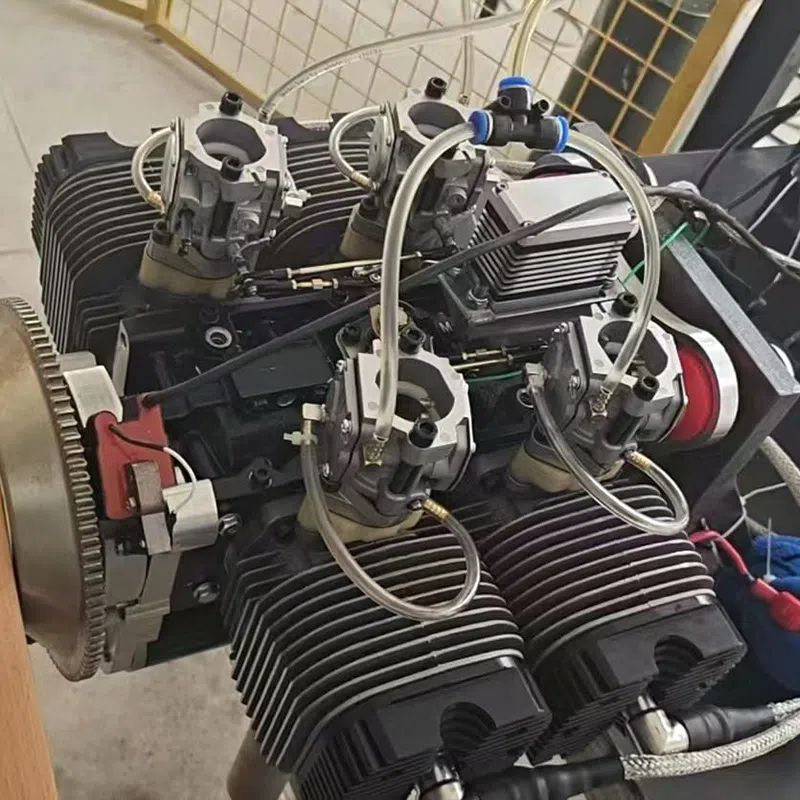
The fast‑growing commercial UAV industry is placing higher demands on propulsion performance, pushing manufacturers to upgrade piston, turbojet and turbofan engines for agriculture, aerial survey, infrastructure inspection and logistics delivery missions. Thrust output, self‑weight, fuel consumption, flight endurance and thermal efficiency have become core evaluation indicators for industrial‑grade drone engines. Many propulsion developers are advancing new material application, optimized cooling architecture and lightweight manufacturing techniques to deliver viable domestic alternatives to traditional imported power units.
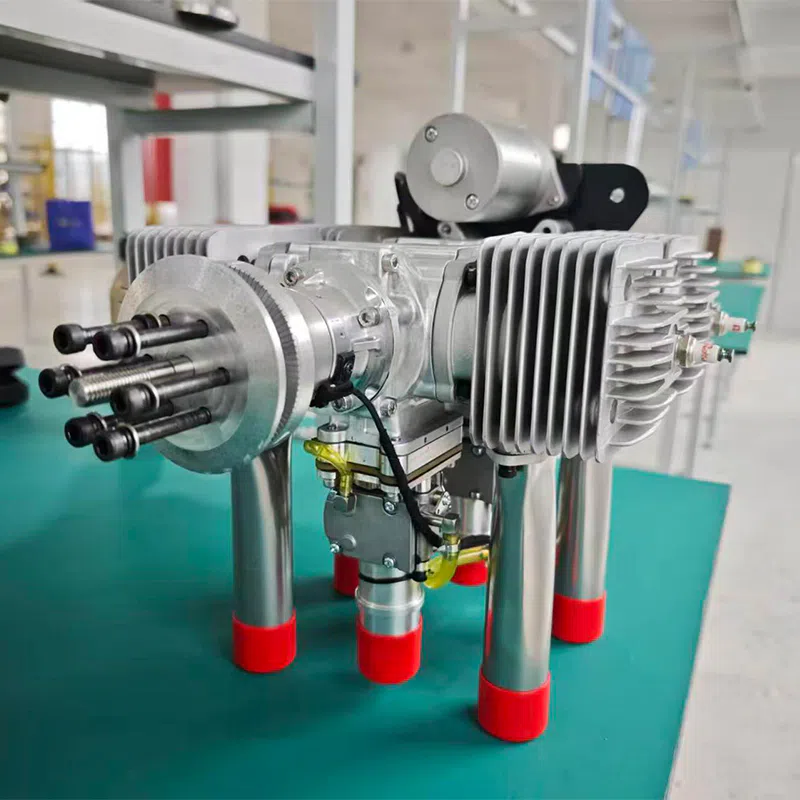
Technical iteration does not come without real‑world bottlenecks. One persistent industry pain point lies in stable engine performance under high‑altitude, high‑temperature and high‑humidity operating conditions. Long‑endurance and heavy‑lift industrial drones continue to hit propulsion‑derived performance ceilings. Excessive vibration levels, noise output, unexpected failure rates and short maintenance cycles remain major obstacles limiting large‑scale commercial deployment for fixed‑wing and hybrid VTOL platforms.
Indigenous Innovation Breaks Import Barriers for Commercial UAV Engines
In recent years, domestic commercial UAV engine developers have narrowed technical gaps versus well‑established overseas suppliers. Companies are expanding patent portfolios and realizing higher levels of autonomy over key engine components, gradually breaking long‑term import monopolies within the civilian propulsion sector.
Rather than simple parameter copying, local manufacturers focus on practical mission requirements: optimizing heavy‑fuel adaptability, improving high‑altitude power recovery and lowering whole‑life maintenance costs. This wave of indigenous advancement creates more cost‑effective, customizable propulsion choices for global UAV system integrators.
Shifting Market Demand Reshapes Industrial Propulsion Supply Chains
Global market demand for commercial drone engines keeps expanding, driven mainly by agricultural plant protection, topographic mapping, power‑line inspection and cargo logistics UAV projects. Different vertical industries bring highly differentiated propulsion requirements. Agricultural UAVs value stable output in dusty field environments; survey platforms prioritize long endurance; heavy‑lift logistics drones call for high‑thrust, fuel‑efficient power systems.
The whole industrial chain is undergoing structural adjustment. Upstream precision component suppliers scale production capacity; mid‑stream engine builders ramp up serial manufacturing; downstream UAV original equipment manufacturers deepen joint development partnerships with propulsion factories. Capacity expansion, new production facilities and strategic investment activities are frequently seen across Asia‑Pacific, European and Middle‑East industrial drone ecosystems.
Competition is intensifying across piston engine and micro turbojet tracks. Product routes diverge among global vendors, with price adjustment and bulk order delivery becoming key competitive factors. Piston engines dominate medium‑endurance fixed‑wing missions, while micro turbojet and turbofan units target high‑speed industrial UAV platforms. Hybrid propulsion solutions are gaining growing market traction.
Real‑World Commercial Application Validates Propulsion Capability
Numerous field operation cases prove how modern UAV engines handle complex commercial assignments. Industrial drones fitted with upgraded piston and turbine power units complete long‑distance pipeline inspection, mountain‑area surveying, material transportation and emergency rescue tasks. Operators highlight reliable startup performance, steady output under variable loads and acceptable maintenance overhead as critical advantages in real‑world workflows.
Different application scenarios set distinct thresholds for propulsion hardware. Heavy‑cargo UAVs require robust high‑thrust propulsion; compact commercial platforms seek balanced trade‑offs between weight, power and service life. Engines designed for alpine, frigid or coastal humid zones must pass strict environmental verification before formal delivery to integrators.
Industry Standards and Future Propulsion Directions
As the commercial drone sector matures, standardized testing specifications covering engine reliability, service lifespan and safety performance gain importance. Civil aviation and industry regulatory frameworks are continuously updating technical norms for UAV propulsion systems to guarantee operational safety for BVLOS commercial flights.
Multiple next‑generation technical paths are under active research. Hybrid‑electric propulsion, hydrogen‑fuel power units and advanced electric drive systems are expected to transform the capability boundary of future industrial UAVs. Hybrid range‑extender designs combine fuel‑powered endurance advantages with electric‑drive smoothness, solving many pain points of pure‑battery drone platforms. Hydrogen propulsion offers great promise for ultra‑long‑endurance missions, despite current cost and infrastructure constraints.
Enterprise R&D Perspectives and Existing Industry Risks
Behind each generation of upgraded UAV engines lies sustained engineering work from R&D teams. Iterative bench testing and repeated flight verification are required before any new propulsion product reaches commercial clients. Industry analysts note that component‑level material barriers, high‑precision manufacturing limits and talent shortages remain major bottlenecks for the whole sector.
Operational risks cannot be ignored. In‑flight engine failure may cause mission interruption or platform loss. High spare‑part costs and complicated overhaul workflows increase total operational expenditure for UAV operators. Manufacturers need to balance advanced performance targets with real‑world maintainability to satisfy global commercial buyers.
Outlook
Moving forward, continuous iteration of piston, turbojet, turbofan and hybrid propulsion technology will keep unlocking new possibilities for industrial UAV missions. System integrators worldwide will have access to more diversified, cost‑competitive civilian engine options, while supply‑chain independence and standardized testing will further lift the overall maturity level of the global commercial drone propulsion industry.


