
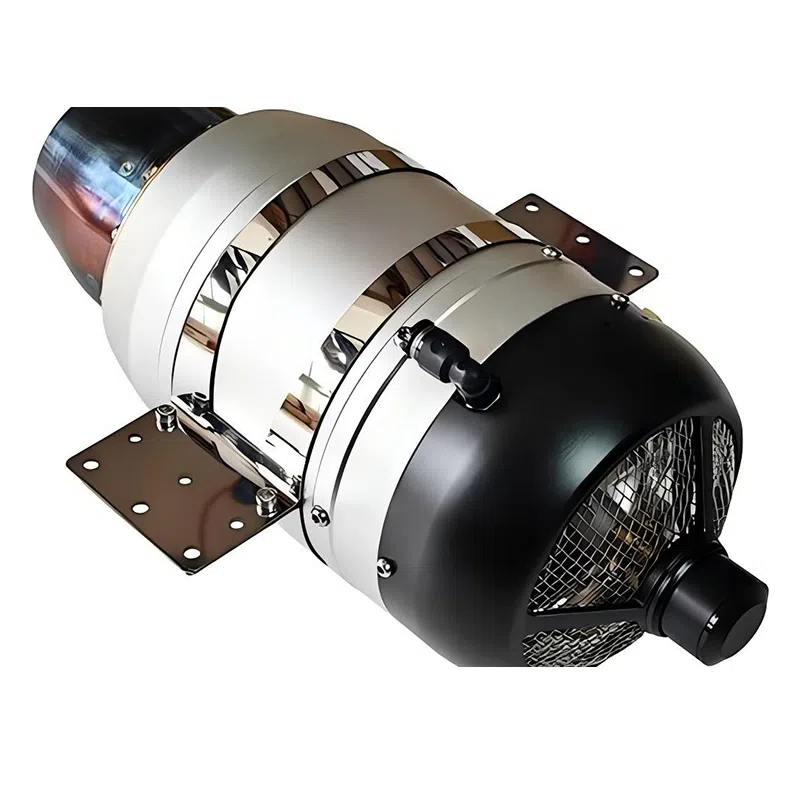
Detailed Product Description
Our liquid‑cooled UAV gasoline engine addresses the pain point of thermal decay that many air‑cooled drone power units face during long‑duration heavy‑payload flights. Traditional air‑cooled UAV engine may suffer performance drop after hours‑long high‑load tasks; this drone gasoline engine leverages liquid circulation cooling to keep consistent power output throughout the whole mission cycle.
Critical internal components of this UAV gasoline engine are manufactured with high‑strength alloy materials. Each unit undergoes strict bench testing covering idling status, variable‑throttle cycles and continuous full‑load runtime before delivery. Quality inspection procedures effectively reduce failure probability for field‑deployed commercial drone fleets.
Equipped with optimized fuel supply assembly, this UAV engine supports fine‑tuning for different altitudes and ambient temperatures. Standard mechanical connection interfaces are reserved for convenient installation. Integrators can f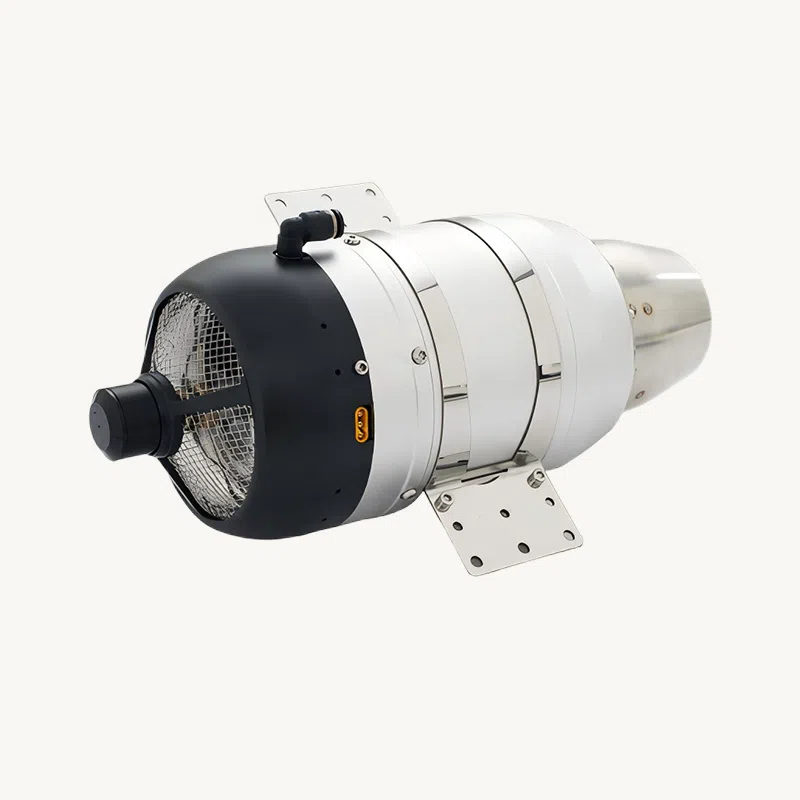 inish mechanical assembly and initial debugging without redesigning large portions of existing drone airframe.
This drone gasoline engine fits a wide array of civilian commercial use cases: heavy‑load aerial spraying, large‑area topographic survey, infrastructure inspection for bridges and dams, environmental monitoring over open land areas, and cargo delivery in remote regions. Both large multi‑rotor UAV and medium fixed‑wing unmanned aircraft can adopt this UAV gasoline engine after proper structural adaptation.
Different from general hobby power products, this UAV gasoline engine is developed for round‑the‑clock commercial field usage. Cooling pipelines adopt anti‑aging materials to resist degradation under sun exposure and temperature fluctuation. Wear‑resistant treatment is applied to key friction components to extend overall service life for frequent cyclic operations.
Full Technical Specifications
| Parameter Item | Specification Value |
|---|---|
| Product Category | Single‑Cylinder Liquid‑Cooled UAV Gasoline Engine |
| Rated Displacement | 246 cc |
| Max Continuous Output Power | 16.2 HP |
| Operating RPM Range | 1500‑7000 RPM |
| Recommended Fuel | Premium unleaded gasoline with dedicated synthetic lubricant |
| Dry Engine Weight | 4.1 kg |
| Ignition Mode | Digital electronic ignition |
| Suggested Propeller Size | 30‑34 inch |
| Adaptable Operating Altitude | 0‑4800 m |
Commercial Application Scenarios
Heavy‑lift multi‑rotor UAV aerial spraying and material transport
Large‑scale topographic survey and 3D mapping missions
Bridge, dam and large civil infrastructure visual inspection
Open‑area ecological and environmental aerial monitoring
Remote region light‑weight cargo delivery via unmanned aircraft
Frequently Asked Questions (FAQ)
Q1: What daily checks should be completed before starting this UAV gasoline engine?
A1: Before each flight mission of the drone gasoline engine, inspect coolant level for the liquid‑cooling circuit, check fuel pipeline for leakage, confirm mounting bolt tightness, and verify spark plug condition. Make sure no blockage exists inside the cooling pipeline of your UAV engine. Do not launch the drone if abnormal liquid leakage or loose fitting parts are detected.
Q2: Is it necessary to install extra cooling fans for this liquid‑cooled UAV gasoline engine?
A2: Under most regular flight conditions, this UAV gasoline engine can rely on ram‑air cooling during flight. For static ground testing or low‑speed hovering with heavy payload, an auxiliary cooling fan is highly recommended to prevent overheating. Please follow our official installation guide for your drone gasoline engine to configure auxiliary cooling hardware properly.


