
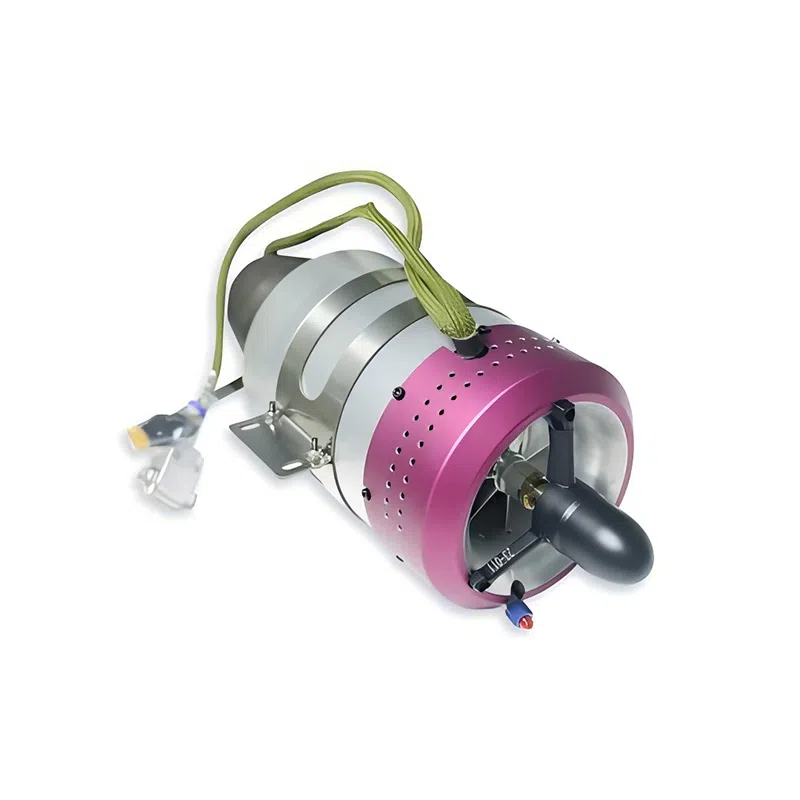
Detailed Product Description
Our four‑cylinder air‑cooled EFI UAV gasoline engine addresses major pain points of traditional carburetor‑type drone power units: frequent manual tuning, unstable startup in low‑temperature and high‑altitude conditions, and inconsistent fuel efficiency during variable‑altitude flight. This drone gasoline engine brings intelligent fuel management for professional commercial UAV operators who pursue stable, low‑maintenance propulsion performance.
Core structural components of this UAV engine adopt high‑strength aviation‑grade aluminum alloy and forged crankshaft. Key friction surfaces receive special wear‑resistant treatment to extend total service life under cyclic heavy‑load commercial missions. Each unit is fully inspected before shipment to avoid idling jitter and power drop risks in real‑world drone flights.
The supporting ECU unit of this UAV gasoline engine executes real‑time calculation based on ambient temperature, air pressure and throttle position. It automatically optimizes fuel supply volume, achieving obvious fuel‑saving effect compared with carbureted drone gasoline engine solutions. The integrated air‑cooled heat dissipation structure keeps proper working temperature even during continuous high‑power cruising for large UAV platforms.
This drone gasoline engine fits multiple civilian commercial application scenarios: ultra‑large area aerial topographic mapping, long‑distance power transmission corridor inspection, large‑volume aerial crop treatment, reservoir and coastal zone environmental monitoring, and long‑range civilian cargo transportation. It works well for both heavy‑lift VTOL drones and large fixed‑wing UAV after proper structural matching.
Different from hobby‑grade multi‑cylinder power products, this UAV gasoline engine is oriented toward fleet‑level commercial operations. It reserves data feedback interfaces, allowing ground stations to obtain engine runtime data such as rotating speed, working temperature and fuel consumption. Operators can implement condition monitoring and predictive maintenance for every UAV engine within their fleet.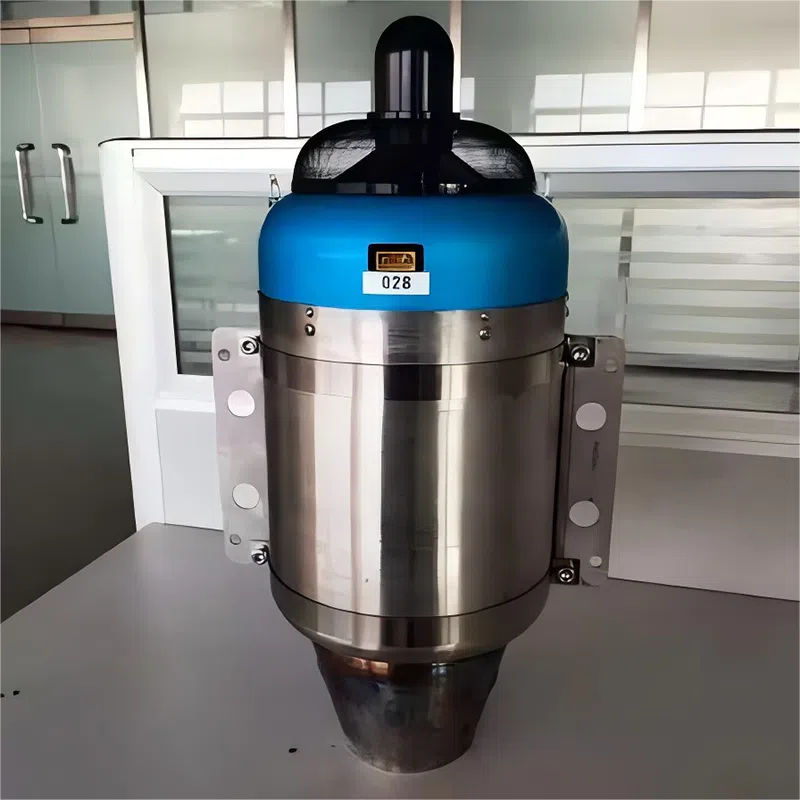
Full Technical Specification Sheet
| Parameter Item | Specification Value |
|---|---|
| Product Classification | Four‑Cylinder Air‑Cooled EFI UAV Gasoline Engine |
| Nominal Displacement | 360 cc |
| Max Continuous Output Power | 24.5 HP |
| Functional RPM Operating Window | 1400‑7200 RPM |
| Recommended Fuel Grade | Premium unleaded gasoline matched with dedicated synthetic two‑stroke lubricant |
| Dry Main‑Engine Weight | 8.7 kg |
| Ignition & Fuel Supply | CDI Synchronized Ignition + Electronic Fuel Injection with altitude compensation |
| Suggested Propeller Size | 34‑38 inch |
| Usable Operating Altitude | 0‑5500 m |
| Built‑In Generator Output | 28 V / 850 W |
Commercial Application Fields
Large‑scale fixed‑wing UAV long‑range topographic survey and 3D mapping
Heavy‑duty VTOL drone heavy payload lifting and material delivery
Long‑distance power grid, pipeline and coastal engineering visual inspection
Large‑area farmland, wetland and forest zone aerial monitoring & plant protection
Complex plateau and mountain area commercial UAV tasks lacking ground‑based charging infrastructure
Frequently Asked Questions (FAQ Section)
Q1: Is professional ECU calibration required before operating this EFI drone gasoline engine?
A1: This UAV gasoline engine leaves the factory with pre‑optimized baseline parameters covering most common altitude and temperature ranges. Direct installation and flight are available for general missions. Fine‑tuning on ECU parameters is only suggested for special extreme‑environment projects, and you can refer to our official debugging guide for your UAV engine.
Q2: What status data can be exported from this drone gasoline engine for ground‑station monitoring?
A2: This UAV gasoline engine supports output of real‑time data including engine RPM, cylinder working temperature, fuel consumption rate and generator output voltage. You can link these signals to your UAV flight control and ground‑station system. Real‑time data helps operators spot abnormal conditions early and prevent unexpected shutdown of the drone gasoline engine during missions.


