
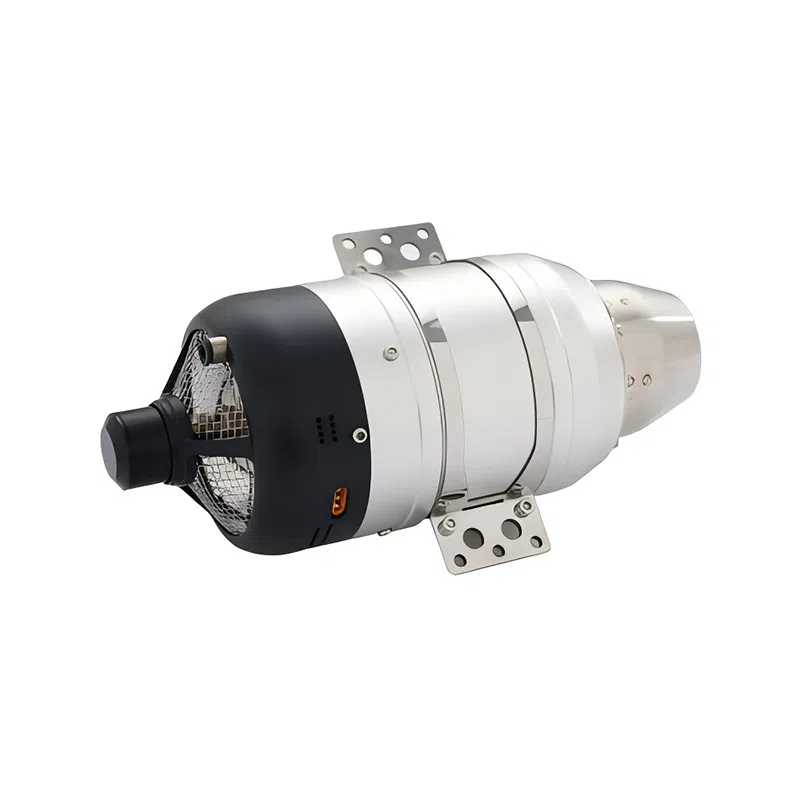
Product Overview
The KS‑series UAV gasoline engine is purpose‑built civilian single‑cylinder internal combustion power source for medium‑size commercial unmanned aerial vehicles. Different from large boxer twin‑cylinder UAV power systems, this drone gasoline engine focuses on compact footprint and weight control, targeting UAV projects with moderate payload and limited installation cavity.
Key assemblies including high‑strength crankshaft, alloy cylinder, full‑function ECU and ignition module adopt aviation‑grade raw materials. Every finished UAV gasoline engine goes through 65‑hour full‑power bench aging test before leaving factory to rule out assembly flaws. Multiple displacement grades are available: 50cc, 80cc, 100cc, 150cc, 200cc. Customers can select proper model according to drone take‑off weight and expected flight endurance. It delivers steady power output for farm spraying, light‑goods transportation, terrain survey and environmental sampling tasks for global civilian UAV clients.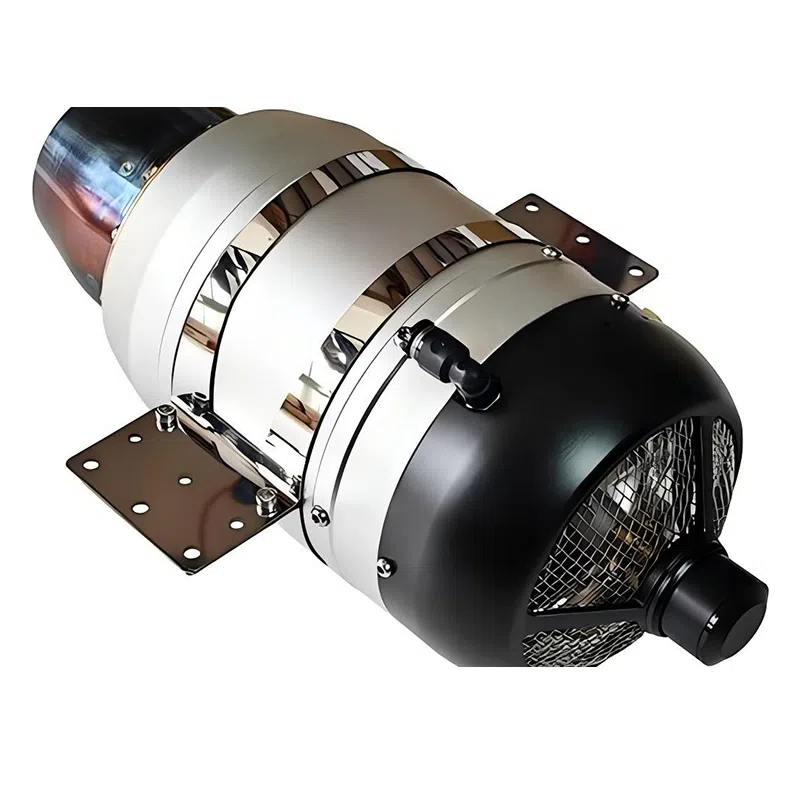
Complete Official Technical Parameter Table
| Parameter Category | Standard Technical Index |
|---|---|
| Full Official Model Name | KS50 / KS80 / KS100 / KS150 / KS200 EFI UAV Gasoline Engine |
| Optional Displacement | 50cc, 80cc, 100cc, 150cc, 200cc |
| Cylinder Configuration | Single‑Cylinder Two‑Stroke |
| Cooling Solution | Forced Air‑Cooled with Reinforced Heat‑Dissipation Fins |
| Max Output Power | 4HP‑22HP (depends on displacement variant) |
| Continuous Working Speed Range | 1200rpm‑8800rpm |
| Standard Fuel‑Oil Mix Ratio | 30:1 (95# unleaded gasoline + two‑stroke synthetic lubricant) |
| Ignition Mode | Electronic CDI Ignition |
| Max Applicable Flight Altitude | ≤3800 meters above sea level |
| Allowable Ambient Working Temperature | ‑25℃ ~ +52℃ |
| Main Housing Material | High‑strength aviation die‑cast aluminum alloy |
| Recommended Spark Plug | NGK CM6 iridium spark plug |
| Matching Propeller Size | 168 inch ~ 3616 inch (customized by displacement) |
| Global Factory Warranty | 12‑month comprehensive warranty |
| Sample Order Policy | Single unit sample is acceptable for performance evaluation |
Independent R&D Core Component Introduction
High‑precision CNC machined cylinder inner wall: Reduce piston friction loss, lower mechanical vibration and noise, improve energy conversion efficiency of this UAV gasoline engine.
Compact integrated EFI unit: Miniaturized ECU saves installation space, supports real‑time data transmission and seamless communication with mainstream UAV flight control hardware.
Strengthened anti‑dust & anti‑corrosion surface treatment: Outer metal parts adopt high‑temperature resistant coating, adapting to dusty farmland, humid coastal and alpine working surroundings.
Optimized fin heat‑dissipation architecture: Expand heat exchange area without excessive volume increase, avoid overheating risk for continuous medium‑load flight of the UAV engine.
Modular component layout: Starter, exhaust assembly and fuel supply parts are detachable. Daily inspection and wearing‑part replacement can be completed rapidly.
Civil Commercial Application Scenarios
Medium‑size agricultural UAV equipment: Crop pesticide spraying, foliar fertilization, orchard pest prevention and farmland growth condition monitoring.
Light‑weight VTOL delivery drones: Short‑to‑medium range small cargo distribution, remote village daily supplies transportation.
Aerial survey & mapping aircraft: Regional topographic survey, land resource investigation, small‑scale 3D aerial modeling work.
Civil infrastructure inspection: Solar farm inspection, short‑distance power line patrol, reservoir and dam surface safety check.
Environmental monitoring UAV platform: Air quality sampling, surface water condition observation, wild‑fire early‑warning patrol.
FAQ
FAQ 1: What are the main differences between this single‑cylinder UAV gasoline engine and twin‑cylinder drone gasoline engine?
Single‑cylinder UAV engine features smaller outer dimension and lighter weight, which fits drones with limited installation space and moderate payload. It has simpler mechanical structure and lower purchase & maintenance cost, well‑suited for medium‑load and medium‑endurance civilian projects.
Twin‑cylinder drone gasoline engine provides larger power output and lower running vibration, more suitable for heavy‑lift UAV that carries large‑volume spraying tank or heavy survey sensors, but comes with bigger body size and higher overall cost. You can choose proper UAV gasoline engine according to your drone’s maximum take‑off weight, installation cavity and actual mission requirements.
FAQ 2: Can I get technical support if I integrate this drone gasoline engine into my self‑developed UAV airframe?
Yes, we provide full‑set technical support for customers doing independent UAV frame development. For bulk orders over 15 units, our engineering team can adjust mounting dimension, EFI parameter map and data‑output protocol based on your mechanical drawing and flight‑controller specifications.
We can offer installation guide documents, wiring diagrams and remote online debugging guidance. If you have special working conditions such as frequent high‑altitude operation, we can also optimize fuel‑injection parameters for your UAV gasoline engine. Just send your detailed project requirements and airframe drawings to our sales team, we will give targeted proposal within 2 working days.


